A Responsible Approach
Using AIwith intelligence
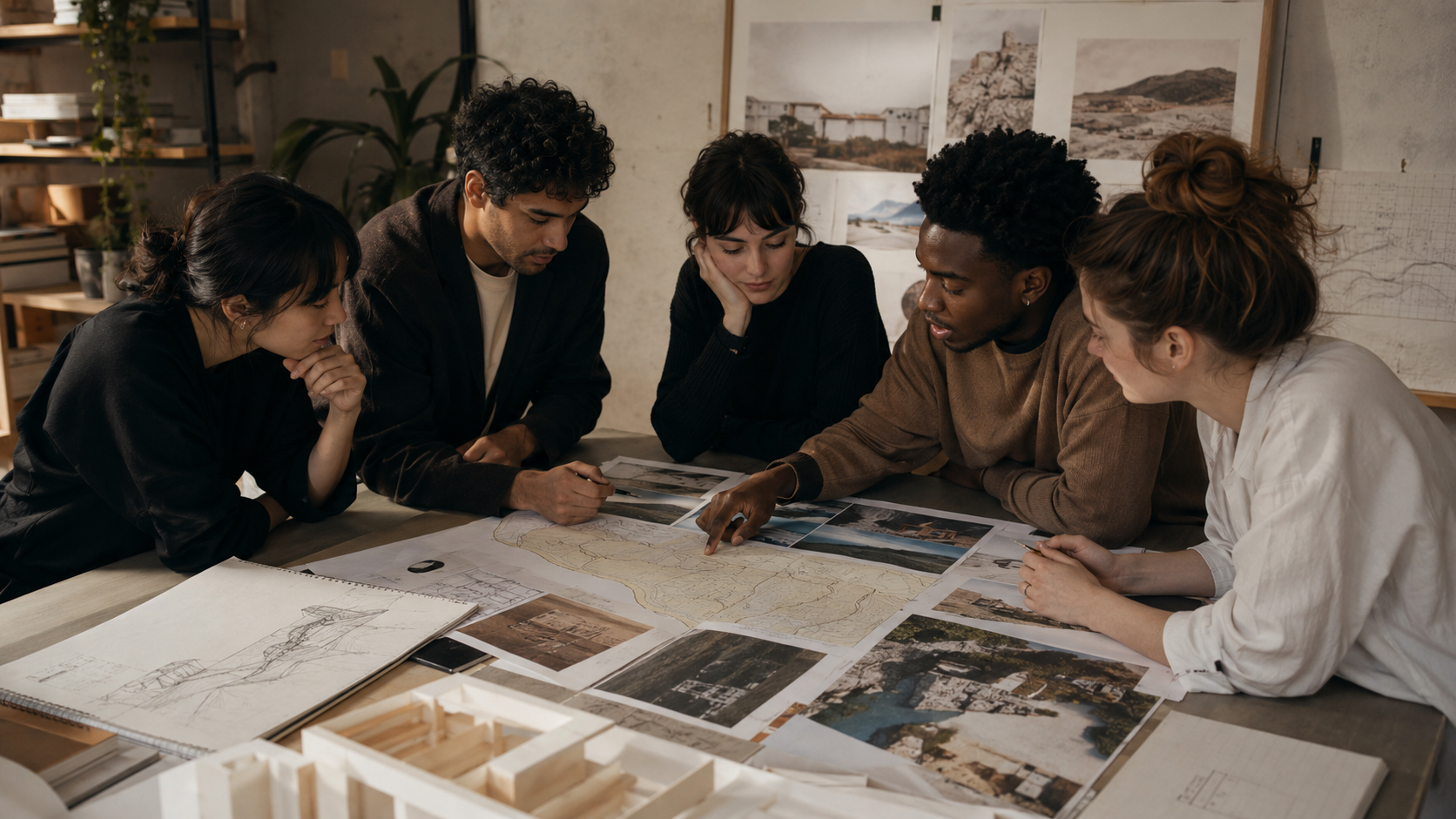
Artificial intelligence is welcome in the competition as a support for research, visualization, organization and creative exploration. It can help participants test ideas, clarify references, refine texts and communicate their vision more effectively.
Used well, AI can expand the creative process and make the development of a proposal more efficient. However, it should never replace the essential work of understanding the site, interpreting its history, reading its morphology and defining a coherent architectural intention.
AI can support the process.
The project must remain human.

Practical Use
WHERE AI CAN
SUPPORT THE PROCESS
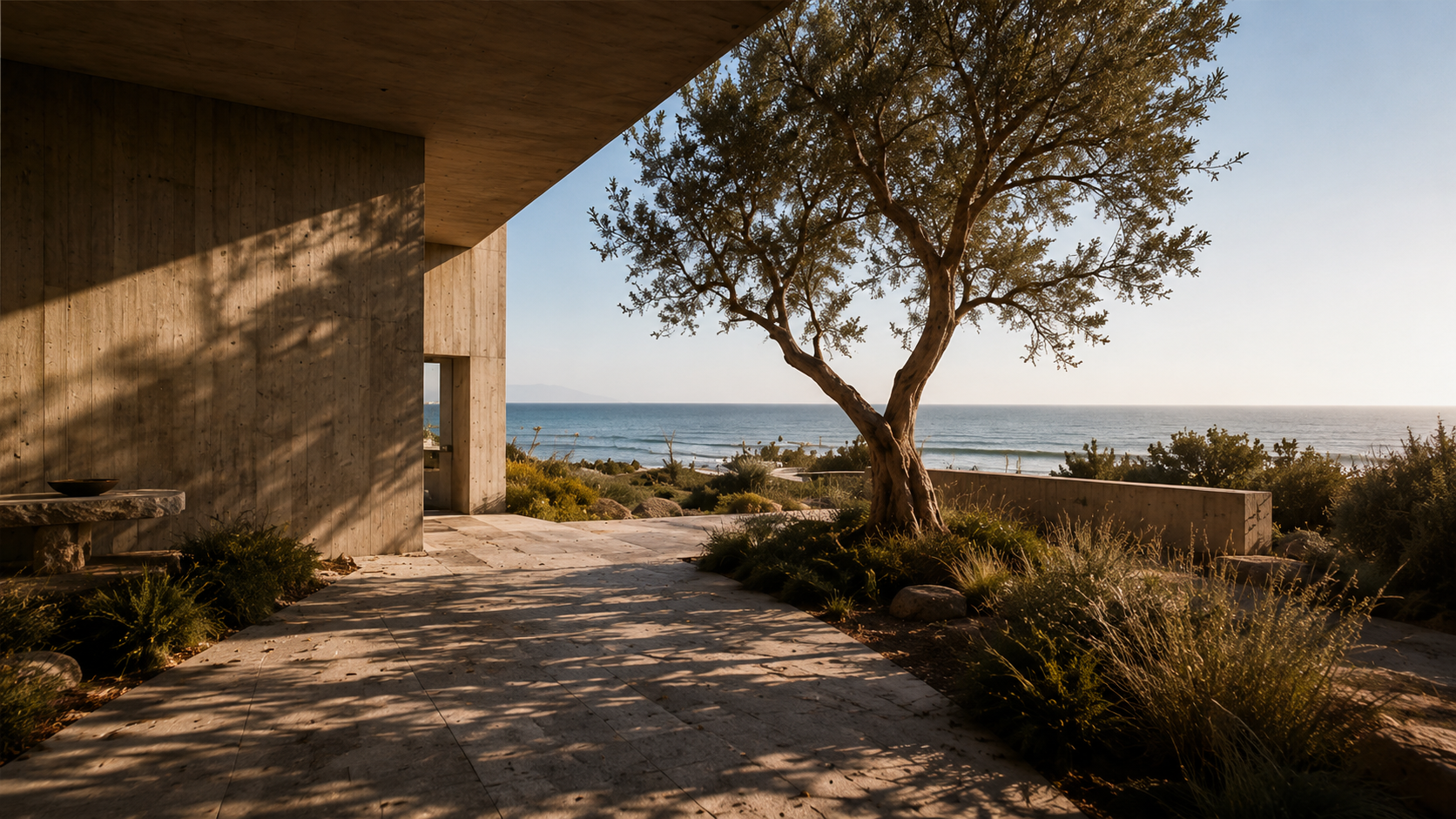
Participants may use AI tools as part of their workflow, as long as the design choices remain intentional, coherent and authored.
Research and references
Organizing precedents, case studies, materials, climate strategies and visual references that inform the design direction.
Concept exploration
Testing atmospheres, spatial ideas, formal directions and possible narratives at early stages of the design process.
Visualization
Generating mood images, concept views, storyboards or visual material to support and communicate the design process.
Authorship
What AI
should not replace
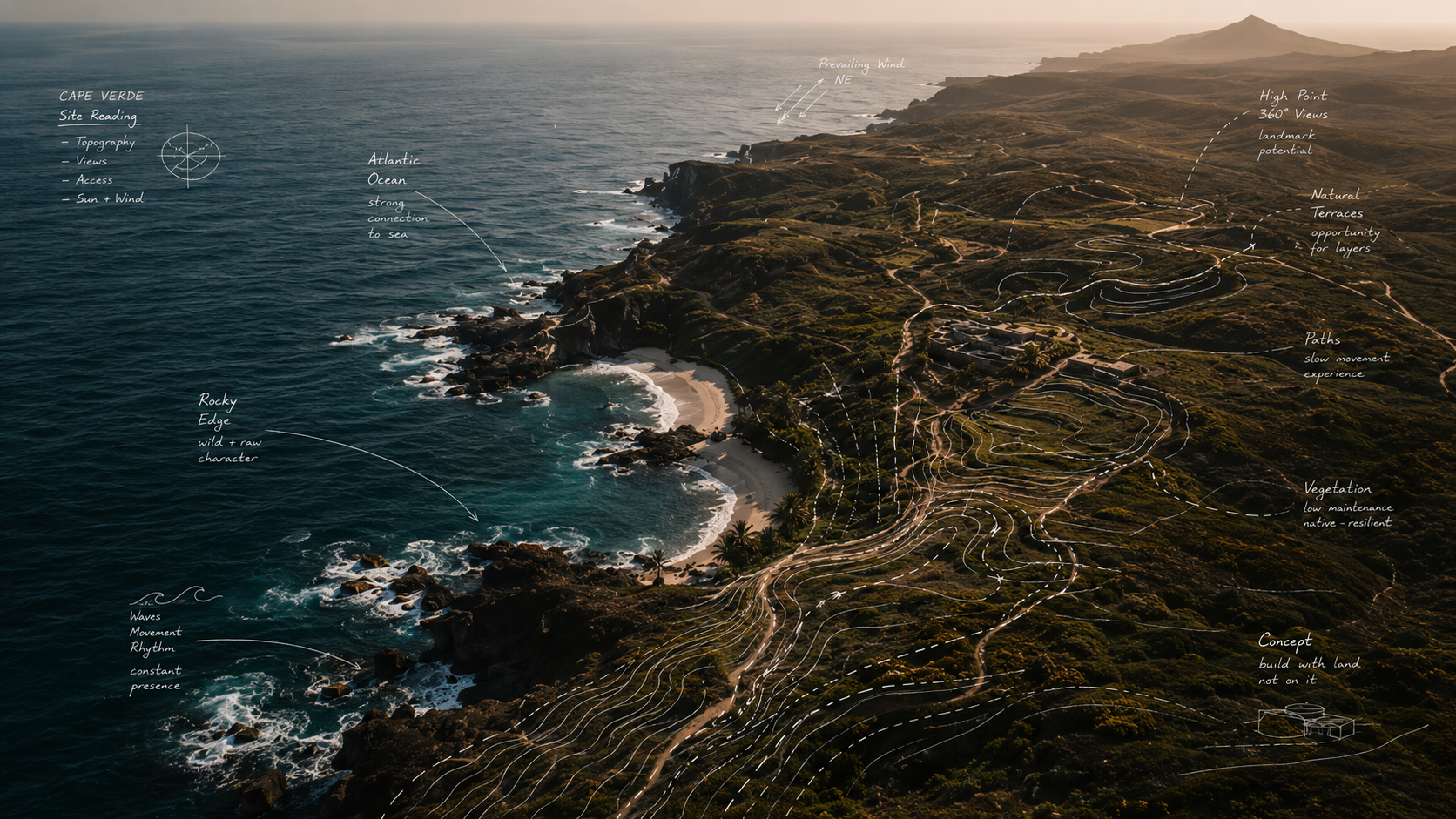
AI-generated outputs are not a project by themselves. A strong proposal must show a clear understanding of the site, a conscious design intention and a realistic approach to architecture, landscape, sustainability and feasibility.
The participant remains responsible for every decision, image, text and representation included in the submission. Design thinking, spatial judgment and contextual sensitivity cannot be delegated to any tool.
Transparency & Evaluation
AI-generated imagesalone are not enough
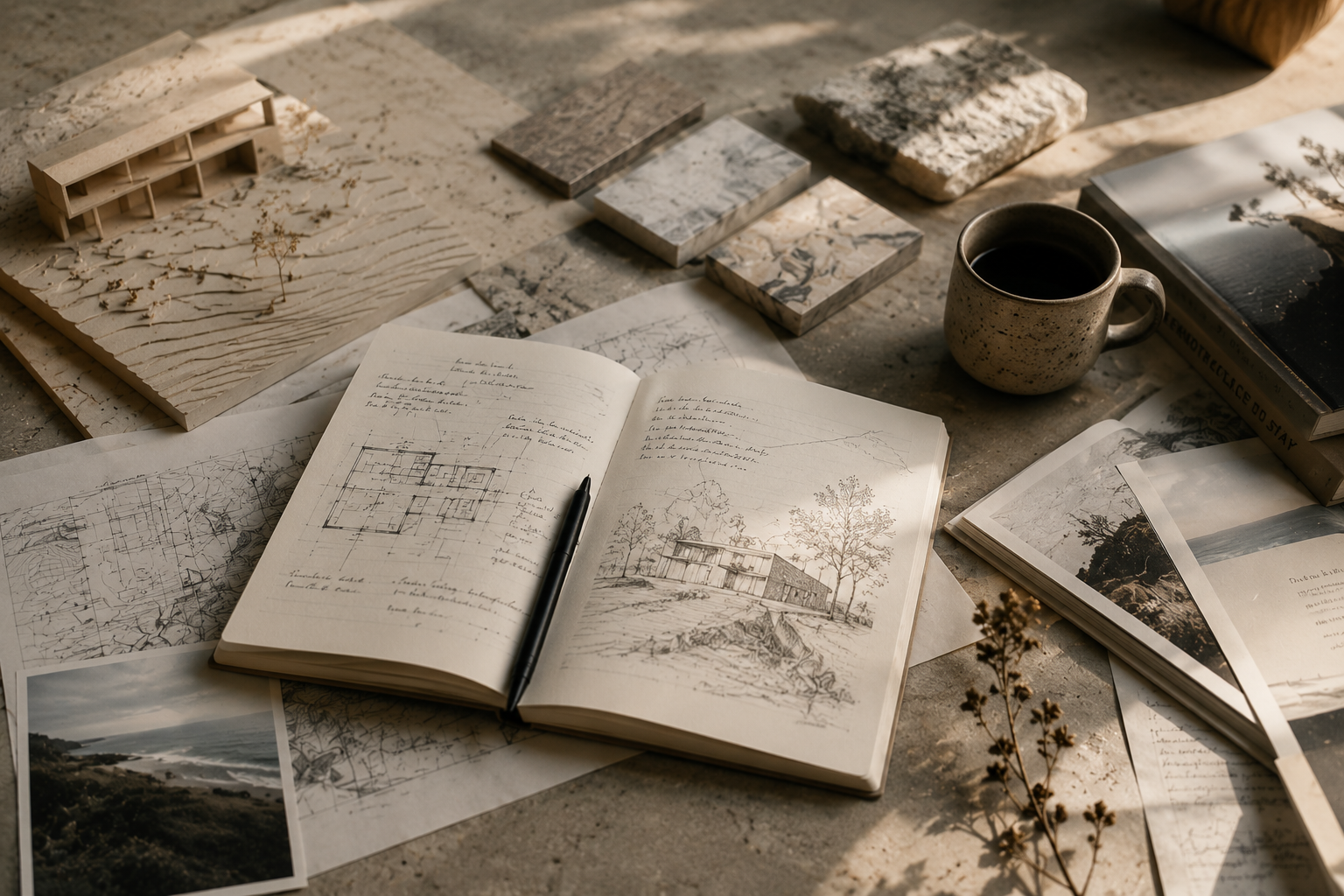
The use of AI tools does not penalize a proposal. Participants are asked to declare how AI was used when it contributed to the development or representation of the project. This is not intended to limit creativity, but to ensure transparency, responsible authorship and a fair evaluation process.
The jury will assess the architectural quality of the proposal, its relationship with the site, its environmental sensitivity, its feasibility and the clarity of its design intention. AI can support the process, but it cannot compensate for a weak concept, an unrealistic solution or a lack of understanding of the place.
AI Use Statement should include:
· Tools used
· Purpose of use
· Phase of the process
· Submission materials where AI support appears

Keep the vision
human.
Use AI to expand the process, not to replace it. The strongest proposals will be those able to transform research, tools and technology into a clear architectural vision: sensitive to the site, coherent in its choices and responsible in its authorship.
Join the Challenge →