The Context
Why
Cape Verde?
Cape Verde stands in a unique position, at the crossroads of Africa, Europe and the Atlantic. Across its islands, centuries of encounters, migrations and exchanges have shaped a layered cultural identity and a landscape defined by the complexity of the territory.
But Cape Verde is not only a territory of memory. It is also a country in transformation. In recent years, the archipelago has entered a new phase of growth, driven by infrastructure development, tourism, international investment, cultural openness and the need to imagine more resilient models of development.
This condition makes architecture especially relevant. The question is not simply how to build more, but how to build better: how to create places capable of respecting climate and landscape, supporting local communities, generating long-term value and avoiding the repetition of generic models disconnected from the territory.
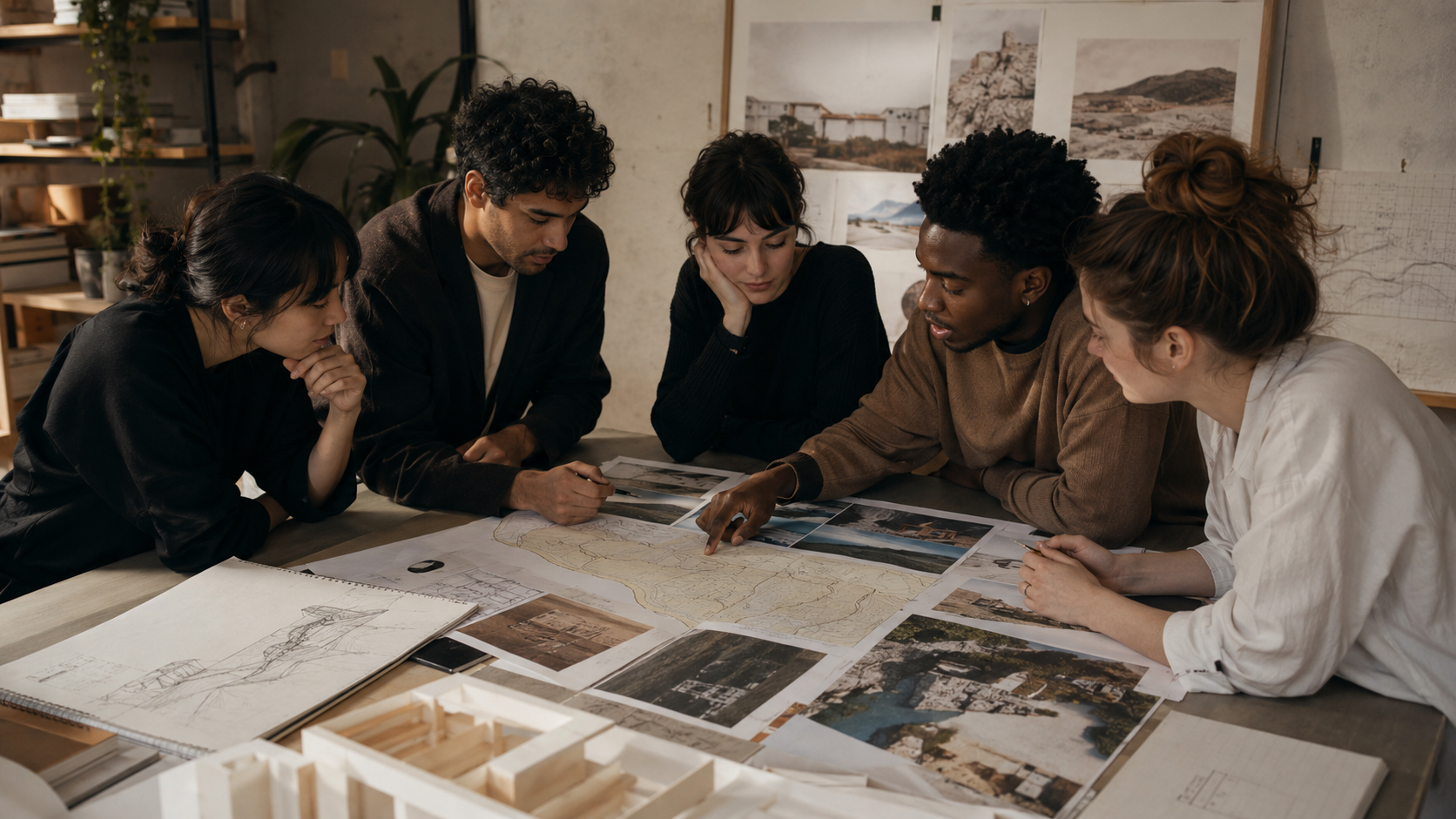
ARCH CHALLENGE begins from this opportunity. Cape Verde offers real sites, real constraints and real potential. It asks architects, designers and multidisciplinary teams to work with context as a starting point, turning growth into an opportunity for cultural, environmental and architectural quality.
It is not simply a place to build. It is a territory to understand: a place where geography, climate, memory and growth must guide the project from the very beginning.
The Archipelago
One Nation.
Many Landscapes.
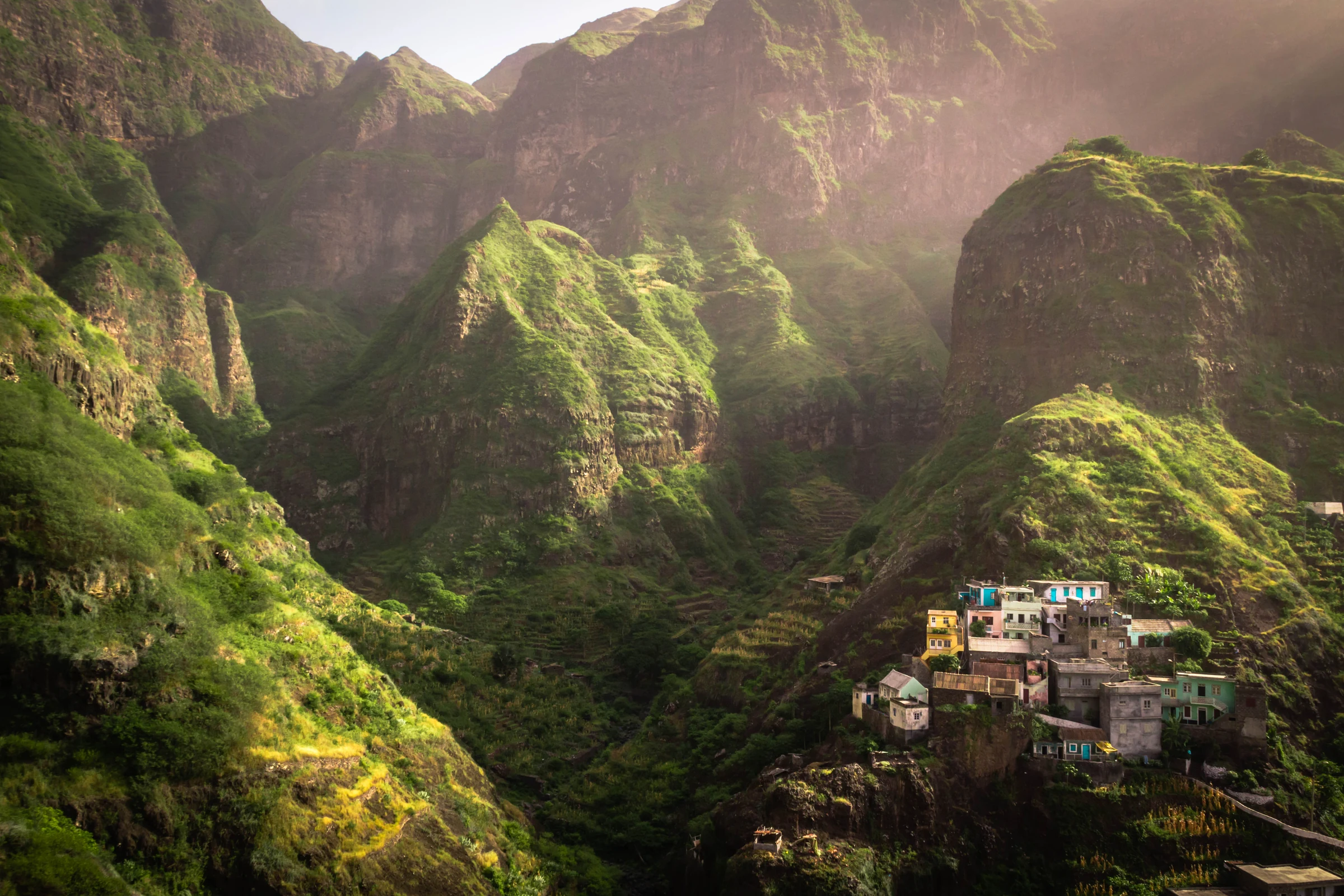
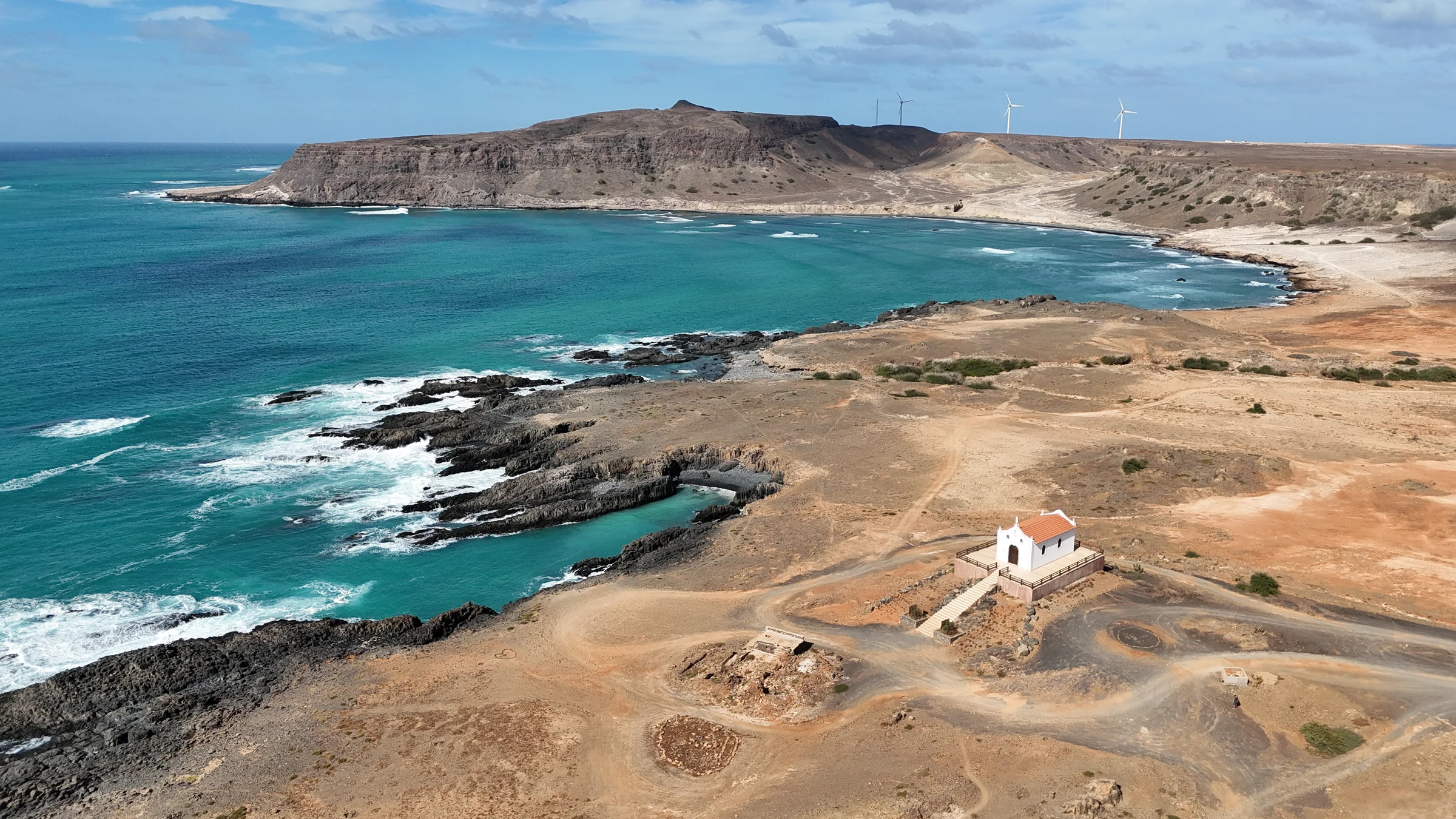
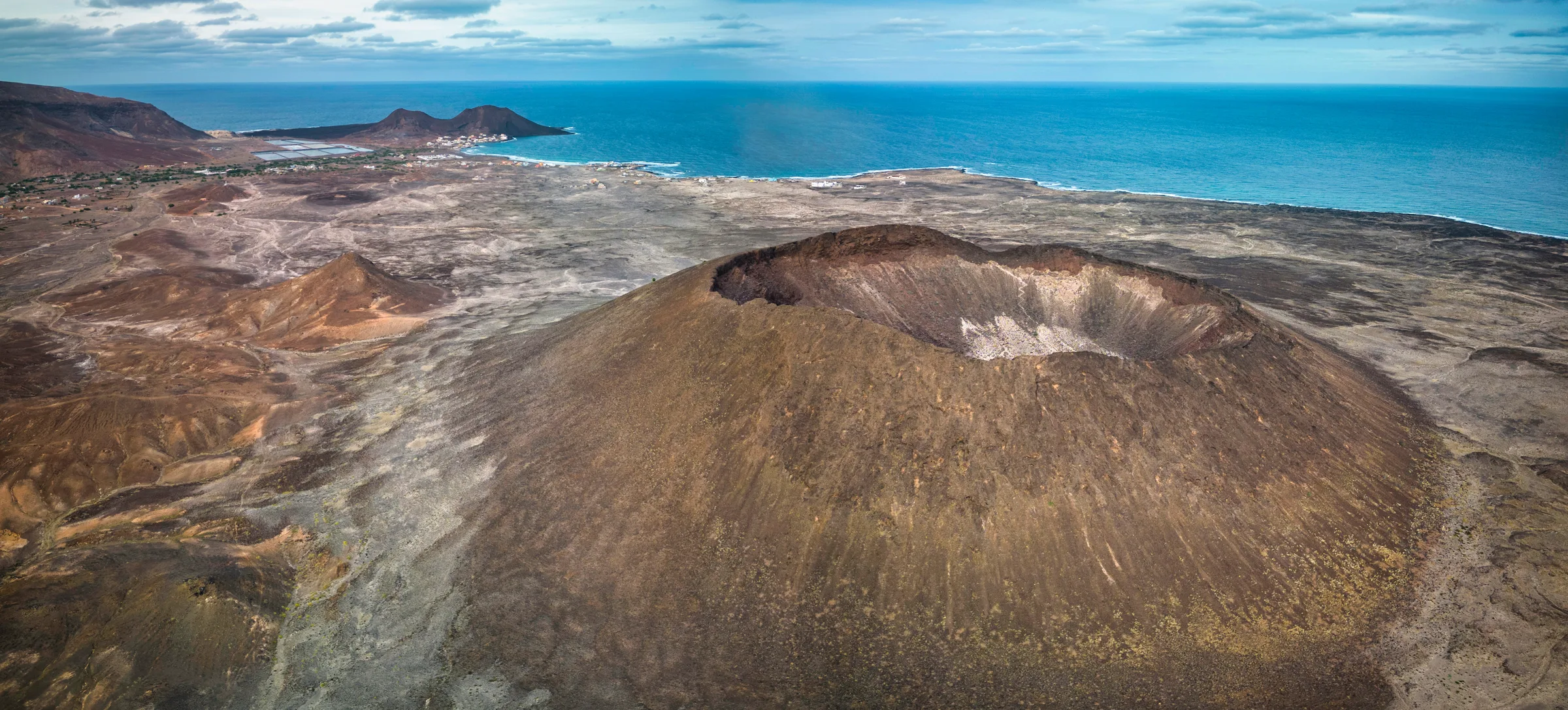
Cape Verde is one archipelago, but never one single landscape. Across its islands, the territory shifts continuously: from green mountain valleys to volcanic slopes, from dry plains to desert-like horizons, from exposed coastlines to dense urban settlements facing the Atlantic.
This diversity is one of the archipelago's most distinctive qualities. Within a relatively small geography, Cape Verde brings together contrasting climates, materials, rhythms and ways of inhabiting the land. Each island carries a different relationship with altitude, wind, water, scarcity, agriculture, settlement and sea.
To design in Cape Verde means reading this plurality. Architecture cannot respond with a single model or a generic language. It must understand the specific condition of each place while belonging to a shared Atlantic identity.
Many landscapes. A shared cultural landscape where every project begins with the responsibility to listen, adapt and transform with care.
Before Design
A Code for
Building with Context
In Cape Verde, architecture cannot be reduced to form. A project must respond to what already exists: climate, topography, communities, economy, construction culture and the long-term life of a place.
Building here means understanding limits. It means knowing when to intervene, when to remain silent and when the landscape itself must become the main design reference.
Every proposal must begin with the territory: its geography, climate, history, communities and existing ways of living.
The landscape is not a background. It is the first condition of the project and the measure of its quality.
Sun, wind, shade, water and thermal comfort are not technical details. They are architectural materials.
In a fragile territory, simplicity can become a form of precision. The best architecture may be the one that uses less, listens more and lasts longer.
Memory should not become a stylistic reference. It should become a way to understand continuity, scale, material and meaning.
The islands are not scenery for imported models. They are living territories that require specific, respectful and original architectural responses.
Why a Competition
Why an International
Architecture Competition?
ARCH CHALLENGE opens real territories in Cape Verde to the international design community. The goal is not to import generic solutions, but to invite architects, students and multidisciplinary teams to engage with specific places, understand their cultural and environmental conditions, and generate ideas rooted in context.
In a country where landscape, climate, heritage and growth are deeply connected, the competition becomes more than a design exercise. It becomes a tool for research, dialogue and long-term value, connecting local identity with global architectural intelligence.
Through this process, each proposal is asked to respond to the complexity of the place, balancing imagination with responsibility, ambition with feasibility, and contemporary vision with respect for the territory. In this sense, an international competition can become a platform for exchange, opening Cape Verde to new perspectives while keeping the territory at the centre of the project.
Join the Challenge →